“Reverse cycle” and “split system” are two of the most searched air conditioning terms in Melbourne — and two of the most confused. They’re not actually competing options; one describes what a unit does, the other describes what it looks like. Understanding the difference makes it much easier to choose the right setup for your home, and to know what you’re actually comparing when you get quotes.
What’s the Difference, Really?
“Reverse cycle” describes a function: the unit can run in reverse to heat a room, not just cool it, using the same technology a fridge uses in reverse — moving heat rather than generating it, which is why reverse cycle systems are so efficient at heating compared with old-style plug-in heaters.
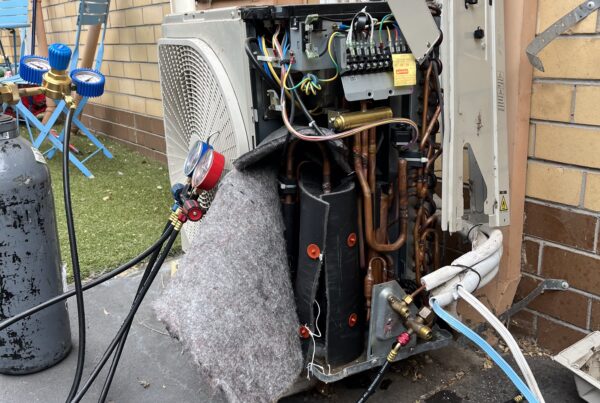
“Split system” describes a physical setup: an indoor wall unit connected to an outdoor compressor via refrigerant piping, as opposed to a “ducted” system that hides the whole thing in the ceiling and delivers air through vents in each room.
In practice, the vast majority of split systems sold today are reverse cycle — so for most Melbourne homeowners, the real decision isn’t “reverse cycle vs split system,” it’s split system vs ducted reverse cycle: one visible unit per room, or one central system feeding the whole house through ductwork.
Split System: Pros and Cons
- Lower upfront cost, especially for cooling one or two rooms
- Faster, simpler installation — usually a one-day job
- You can zone room-by-room, only running (and paying for) the rooms you’re using
- Downside: a visible indoor unit in every room you want conditioned, and less even coverage through open-plan or multi-room homes
Ducted Reverse Cycle: Pros and Cons
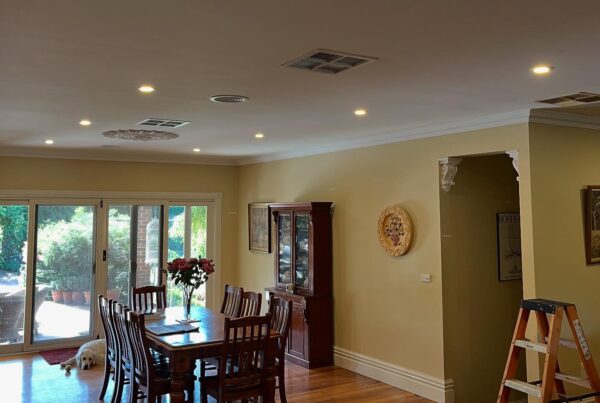
- No visible indoor units — just discreet ceiling vents
- Even, whole-home coverage from one system, with zoning available to control different areas independently
- Often adds more to a home’s resale appeal than multiple wall units
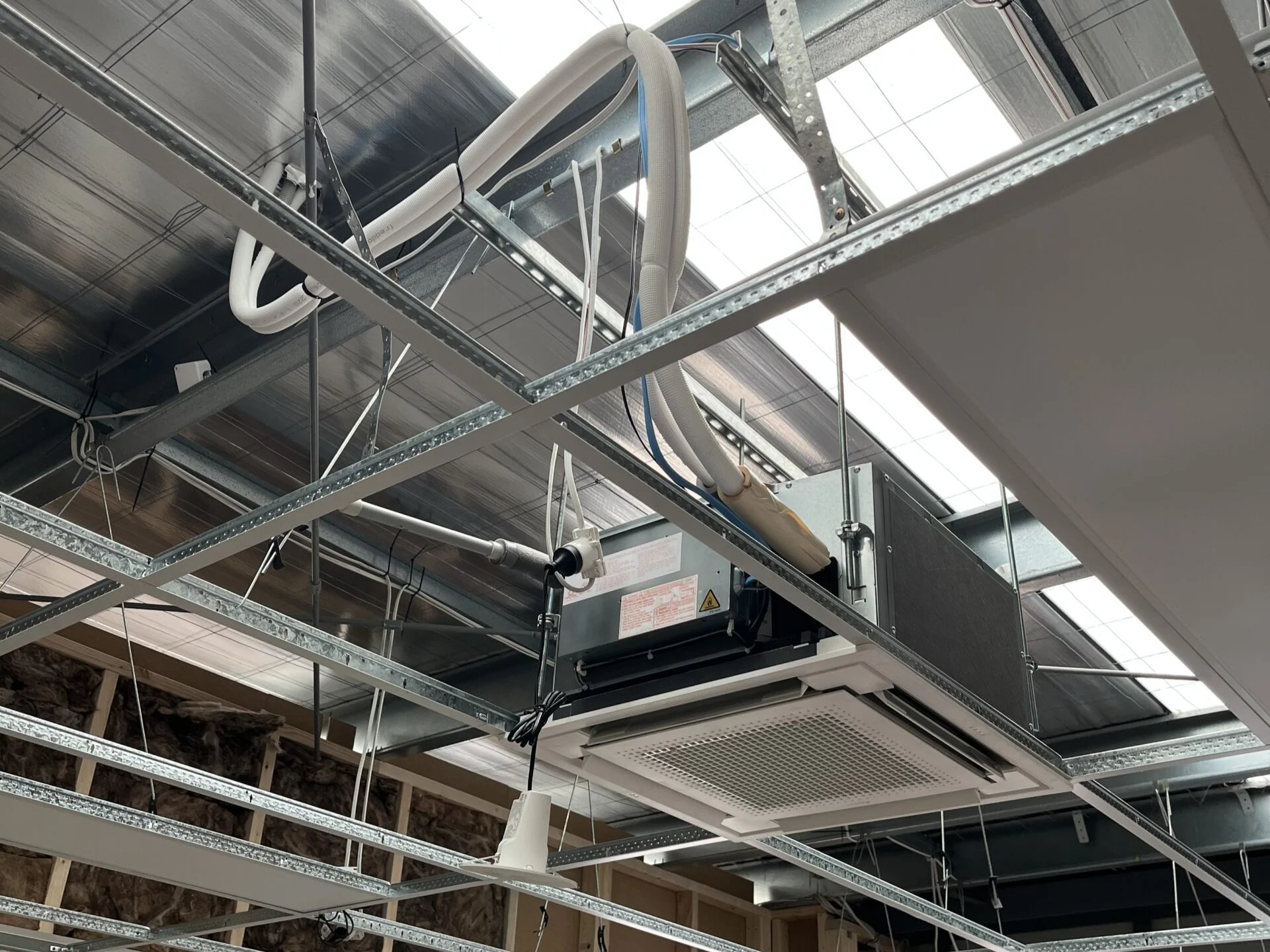
- Downside: higher upfront cost and a more involved install, since ductwork has to be run through the ceiling space
Running Costs: What Actually Matters
Rather than fixed dollar figures — which depend heavily on your usage, the size of the space, and current electricity rates — the number that actually tells you what a unit will cost to run is its energy rating label (the star rating displayed on any system sold in Australia). A higher star rating on both heating and cooling modes means lower running costs for the same output. A correctly-sized unit for the room also matters more than most people expect: an undersized unit runs constantly and inefficiently, while an oversized one cycles on and off and wastes energy — sizing is something worth getting a professional opinion on rather than guessing.
Which Is Right for Your Home?
- Conditioning one or two rooms, or renting: a split system is usually the simpler, cheaper choice
- Whole-home comfort, especially in a renovation or new build with ceiling access: ducted reverse cycle is usually worth the extra upfront cost
- Older home without existing ductwork: retrofitting ducted is possible but adds cost — get a quote for both options before deciding
- Budget-conscious but want more than one room covered: a multi-head split system (one outdoor unit running several indoor heads) sits in between
Rebates and Incentives
Victoria has, at various times, offered rebates and incentives (through Solar Victoria and the Victorian Energy Upgrades program) for replacing old inefficient heating with high-efficiency reverse cycle systems. Eligibility, amounts, and the schemes themselves change from year to year, so rather than quote a figure that may be out of date by the time you read this, the safest approach is to check current eligibility directly with Solar Victoria or ask when you get your quote — it’s a genuine cost-saver when available.
Frequently Asked Questions
Is reverse cycle air conditioning cheaper to run than a split system?
This isn’t really a fair comparison, since most split systems are reverse cycle. The real efficiency question is the unit’s energy star rating and whether it’s correctly sized for the room — a high-star-rated reverse cycle split system is typically far cheaper to run than older resistive heating.
Can I use reverse cycle air conditioning for heating in winter?
Yes — that’s exactly what “reverse cycle” means. The system reverses its cycle to extract warmth and heat the room, and is generally far more efficient than a plug-in electric heater.
Is ducted air conditioning worth the extra cost over split systems?
It depends on how many rooms you want conditioned and whether you have ceiling access. For whole-home comfort, ducted is often worth it; for one or two rooms, split systems are usually more cost-effective.
Are there current rebates for reverse cycle air conditioning in Victoria?
Rebate programs change regularly. Check current eligibility with Solar Victoria or ask when requesting a quote.
Get Local Advice Before You Decide
Casper Electrical & Air installs and services reverse cycle heating and cooling — split system and ducted — across Bentleigh, Caulfield, Ormond, Moorabbin, Carrum Downs, Cheltenham, Hampton, Springvale and surrounding South-East Melbourne suburbs. Get in touch for a free, obligation-free assessment of what’s right for your home.