Melbourne homes can feel surprisingly cold in winter, especially on frosty mornings when the floors are chilly and condensation appears on the windows. Heating with Air Conditioning can help keep indoor spaces comfortable during these colder months. Choosing a heating system that suits your home can make those days easier to manage.
Heating with Air Conditioning is worth considering if you want to keep your rooms warm in winter without installing a separate appliance for summer cooling. A reverse-cycle system can do both jobs, although its running costs depend on how you use it and how well your home holds heat.
How Does Reverse-Cycle Air Conditioning Heat a Home?
A reverse-cycle air conditioner works differently from a portable electric heater. Instead of converting electricity directly into heat, it collects heat energy from the outdoor air and transfers it inside. The refrigeration cycle makes this possible, even when the weather outside feels cold.
When summer comes around, the system reverses the process and removes heat from your home.
For households considering Heating with Air Conditioning, this means one appliance can serve two purposes throughout the year. You can use it to warm the living room on a cold July morning, then switch to cooling when Melbourne experiences a hot spell.
The important thing is to choose a system suited to your home’s size and layout. A unit that works well in a small apartment may not provide enough warmth for a large, open-plan house.
1. Lower Heating Costs Are Possible
Heating bills can climb during winter, particularly when a heater runs for hours every day. A reverse-cycle air conditioner may help reduce that expense because it can deliver more heat energy than the electrical energy it consumes.
For example, an efficient heat pump can deliver several units of heat for each unit of electricity used. The exact result depends on the model, outdoor temperature and operating conditions.
That does not automatically mean every household will save money. Someone replacing an older, inefficient heater may notice a difference, while a household switching from an efficient gas heater may see a different result depending on local energy prices.
Before choosing Heating with Air Conditioning, compare the energy ratings of suitable models and look at their estimated consumption. Consider your electricity tariff as well, rather than relying solely on the advertised efficiency figure.
It is also worth thinking about how many hours you heat your home. Heating one occupied room can use less energy than running a whole-house system when several rooms are empty. Heating with Air Conditioning allows you to focus on the spaces you use most, provided you choose a system suited to those areas.
2. One Appliance for Two Seasons
Buying separate appliances for winter and summer is not always necessary. A reverse-cycle system provides heating and cooling through the same equipment, which can be useful when storage space is limited.
This is one reason Heating with Air Conditioning appeals to Melbourne homeowners. You do not need to bring out a portable heater every winter and put it away again when the weather warms up.
A wall-mounted split system is often a practical choice for a bedroom, living area or home office. If you need temperature control across several rooms, a multi-split or ducted system may be more suitable.
The decision comes down to how your household uses each space. If everyone spends most of the evening in one living room, a well-positioned split system may be enough. A larger family that uses bedrooms, a study and multiple living areas may need a different arrangement.
3. More Comfortable Rooms on Cold Mornings
Getting out of bed on a cold Melbourne morning is easier when the room is already comfortable. A reverse-cycle system can warm an occupied space before the day gets underway.
Modern inverter models can adjust their output as the room approaches the selected temperature. Rather than operating only at full capacity, they can vary compressor speed to help maintain a steadier indoor temperature.
The result depends on the equipment and the room itself. Poor insulation, draughty windows and high ceilings can all make it harder to keep a space warm.
When planning Heating with Air Conditioning, think about where the indoor unit will sit. Air needs room to circulate, so placing a unit behind furniture or near an obstruction can affect how evenly the warmth spreads.
It is also sensible to consider noise, particularly when installing a system in a bedroom. Check the manufacturer’s noise ratings and ask your installer about the most suitable position.
4. Which Heating System Suits Your Home?
Not every heating option works in the same way. The right choice depends on the area you want to heat, the condition of your home and whether you need cooling as well.
Heating option | Main advantage | What to consider | Common application |
| Reverse-cycle split system | Provides heating and cooling | Best suited to the area it can comfortably serve | Bedrooms, apartments and living rooms |
Ducted reverse-cycle air conditioning | Can heat and cool several rooms | Installation cost, duct condition and zoning affect performance | Larger homes and multiple living areas |
| Portable electric heater | Easy to move between rooms | Generally uses more electricity per unit of heat delivered than a heat pump | Occasional, localized heating |
Gas heating | Can provide substantial heat | Fuel prices, appliance efficiency and ventilation requirements | Homes with suitable existing installations |
| Wood heating | Can provide warmth and a particular ambience | Fuel storage, maintenance, emissions and installation requirements | Properties with an appropriate compliant setup |
These are general comparisons, not guarantees about running costs. A well-maintained appliance used in a suitable space may perform very differently from a poorly matched system. Heating with Air Conditioning can be a practical choice for households that want both heating and cooling from one system.
If you are comparing options, consider the purchase price, installation, expected energy use and maintenance over the equipment’s lifetime. The cheapest system to buy may not be the cheapest one to operate. Heating with Air Conditioning is worth comparing with other options based on your home’s layout, comfort requirements and expected running costs.
5. Different Systems for Different Melbourne Properties
A compact apartment in the inner suburbs has different heating needs from a renovated weatherboard house or a large family home on the outskirts of Melbourne.
For a single room, a split system may provide enough warmth without requiring extensive changes to the property. It can also allow you to control the temperature independently of other rooms.
Ducted air conditioning distributes heated air through ducts and ceiling or floor outlets. It can be convenient when several rooms need heating, particularly if the system includes zoning. With zoning, you can avoid heating areas that are not being used, provided the system is designed and operated appropriately.
Multi-split systems offer another option by connecting multiple indoor units to an outdoor unit. These can be useful where individual rooms need separate controls but a ducted installation is unsuitable.
Whatever you choose, Heating with Air Conditioning should begin with an assessment of the property rather than a guess based on floor area alone.
Choosing the right Heating with Air Conditioning system also depends on window exposure, insulation, ceiling height and the number of occupants, as these factors can influence the required capacity.
6. Small Changes Can Make a Noticeable Difference
Even a good heating system has to work harder when warm air escapes through gaps or poorly insulated areas. This is particularly relevant in older Melbourne homes, where original windows and doors may allow noticeable draughts.
Sealing unwanted gaps, using suitable curtains and improving ceiling insulation can help a home retain warmth. These improvements may also make the rooms more comfortable when the air conditioner is switched off.
The Australian Government’s heating and cooling advice offers practical guidance on choosing equipment, managing indoor temperatures and improving home energy efficiency.
When using Heating with Air Conditioning, a few straightforward habits are worth adopting:
- Set a comfortable temperature instead of turning the thermostat unnecessarily high.
- Clean the filters according to the manufacturer’s instructions.
- Keep doors and windows closed while heating, where appropriate for ventilation and safety.
- Use curtains or blinds to reduce heat loss through windows at night.
- Arrange maintenance if airflow weakens, unusual noises develop or the system struggles to warm the room.
- Compare energy ratings before purchasing a replacement unit.
These steps will not fix every heating problem, but they can help avoid unnecessary energy use.
7. Is Reverse-Cycle Heating a Good Long-Term Choice?
For homeowners planning renovations or replacing an aging heater, Heating with Air Conditioning may fit into a broader move towards electric household appliances.
A reverse-cycle system can provide both heating and cooling without requiring a separate gas heating appliance. If you have rooftop solar, some of the electricity used during daylight hours may come from your solar generation.
How much you benefit depends on the system’s operating schedule and your household’s energy use. Heating with Air Conditioning can be particularly practical for households looking to manage both seasonal needs with one system.
There are other factors to weigh up. The initial purchase and installation can be substantial, especially for ducted systems. Outdoor units need suitable space, and some properties may require electrical upgrades before installation.
It is also worth checking how the system performs in cold weather. Look for specifications relevant to the conditions in which you intend to use it, rather than assuming all models offer the same performance.
A good long-term decision considers comfort, energy use, maintenance and the expected life of the equipment together.
8. Why Proper Installation Matters
Choosing an efficient unit is only part of the job. Incorrect sizing or poor placement can leave rooms uncomfortable and make the system work harder than necessary.
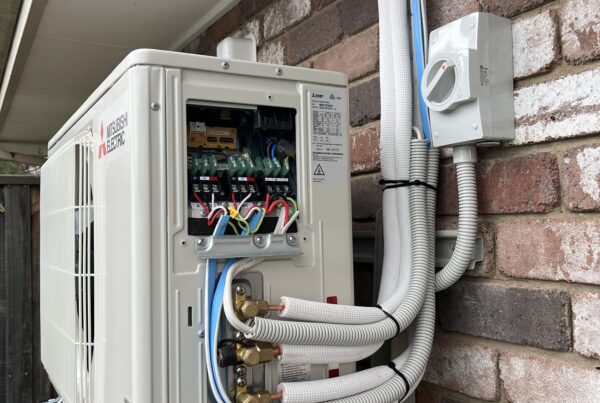
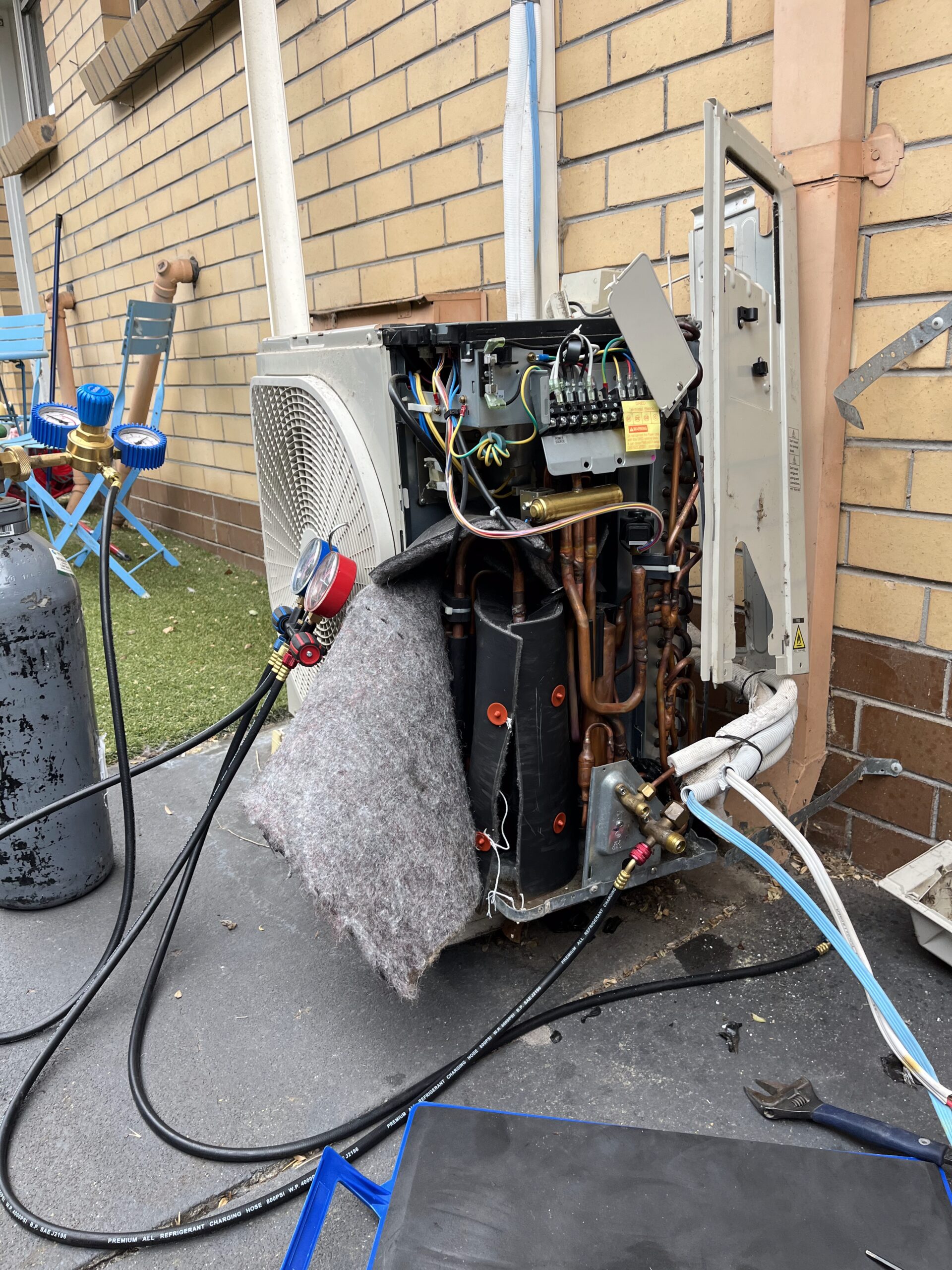
A qualified installer can assess the home’s layout, insulation, windows and electrical requirements before recommending equipment. They can also identify a suitable location for the outdoor unit and check that the indoor unit can distribute air effectively.
For Heating with Air Conditioning, installation quality matters just as much as the product you select. A system that is too small may struggle during colder periods, while an oversized unit can add unnecessary upfront expense.
If your existing air conditioner takes an unusually long time to heat the room, produces unfamiliar noises or repeatedly stops working, do not assume that replacing it is the only answer. A professional inspection may identify a maintenance issue or another fault.
Making the Right Choice for Your Home
For many households, Heating with Air Conditioning offers a convenient way to manage Melbourne’s changing seasons. One system can provide winter warmth and summer cooling, and an efficient model may reduce energy use compared with conventional electric resistance heating.
Still, there is no single solution for every property. The best option depends on your budget, the rooms you use most often, insulation levels and the amount of heating you need each day.
Before making a decision, compare suitable models and consider the full cost of installation and operation. Getting the sizing right from the beginning can make a real difference to comfort and performance.
If you are considering an upgrade, contact Casper Electrical & Air to discuss heating and cooling options for your home. Their team can help you explore a suitable setup for your property and everyday needs. Heating with Air Conditioning may be a practical option for your household when the system is selected to suit your home’s requirements.
Frequently Asked Questions
1. Is heating with air conditioning effective during Melbourne winters?
Yes. Reverse-cycle systems can extract heat from outdoor air and transfer it inside. Their performance depends on the model, outdoor conditions, correct sizing and how well the home retains warmth.
2. Does reverse-cycle air conditioning use a lot of electricity?
Consumption varies with the system’s efficiency, the temperature setting, room size and hours of operation. Comparing energy ratings and choosing the right capacity can help you make a more informed decision.
3. Is a split system suitable for a Melbourne home?
A split system can be suitable for an individual room or a smaller living area. Larger properties may need multiple units or ducted heating and cooling, depending on the layout and household requirements.
4. Can air conditioning and heating reduce energy bills?
It may reduce bills when an efficient reverse-cycle system replaces a less efficient heating method. Actual savings depend on energy tariffs, the appliance being replaced, insulation and usage habits.
5. How often should reverse-cycle air conditioning be serviced?
Follow the manufacturer’s maintenance recommendations. Filters may need cleaning more frequently during heavy use, while a qualified technician can inspect the system when servicing is due or if performance problems arise.