Electrical and air conditioning systems work quietly in most Melbourne homes. When either starts behaving differently, small warning signs can quickly become bigger faults. Knowing when to arrange electrical and air conditioning repairs can help prevent disruption and improve safety.
A flickering light, repeated circuit trip, strange smell, weak cooling or unusual air conditioner noise should not be ignored. These symptoms have several possible causes, so electrical and air conditioning repairs should begin with proper diagnosis.
Why Early Warning Signs Matter
Electrical faults and air conditioning problems rarely appear without some indication. A component may be wearing out, a connection may be loose, airflow may be restricted, or a protective device may be responding to a genuine fault.
Melbourne homes can place greater demand on electrical and cooling systems during extreme weather. Recognizing unusual behavior before peak demand can make diagnosis easier and may reduce unexpected breakdowns.
Signs You May Need Electrical and Air Conditioning Repairs
Some warning signs are obvious, while others are easy to miss. The table connects symptoms with likely areas for investigation and shows when electrical and air conditioning repairs may be needed.
Warning sign | What it may indicate | Recommended response |
Lights flicker or dim | Loose connection, overloaded circuit or wiring fault | Arrange electrical fault diagnosis |
| Safety switch trips repeatedly | Faulty appliance, wiring fault or leakage current | Stop repeated resetting and seek inspection |
Burning or unusual electrical smell | Overheating component, damaged wiring or connection | Switch off affected equipment and seek urgent advice |
| Power point feels hot | Excess load, poor connection or damaged outlet | Stop using it and arrange an inspection |
Air conditioner runs but does not cool | Airflow restriction, refrigerant issue or component fault | Arrange air conditioner diagnosis |
| Buzzing, grinding or rattling | Fan, motor, electrical or mechanical problem | Have the system inspected |
Water leaking indoors | Drainage blockage or related system fault | Turn the unit off if needed and arrange service |
| Frequent air conditioner shutdowns | Electrical, control or overheating issue | Professional testing is recommended |
Quick Safety Checklist
Before arranging electrical and air conditioning repairs:
- Stop using equipment that smells burnt, sparks or becomes unusually hot.
- Do not open switchboards or alter fixed wiring yourself.
- Avoid repeatedly resetting a safety switch without finding the cause.
- Keep water away from electrical equipment and switchboards.
- Record recurring faults, unusual noises and when they occur.
- Use licensed and appropriately qualified professionals for repair work.
1. Flickering or Dimming Lights
Lights that flicker occasionally can have simple explanations, but persistent or repeated flickering deserves attention. Energy Safe Victoria lists flickering lights among signs that household wiring may be faulty. Loose connections, overloaded circuits, ageing wiring or a problem with a fitting can all contribute.
If the problem affects several rooms or occurs when high-load appliances start, an electrician should investigate rather than assuming the globe is at fault.
2. Repeated Safety Switch or Circuit Breaker Trips
A safety switch or circuit breaker that trips is performing a protective function. The important question is why it keeps happening. A faulty appliance, damaged wiring, moisture, an overloaded circuit or another electrical defect can cause repeated trips.
Energy Safe Victoria explains that safety switches monitor electrical flow and disconnect power when a potentially dangerous fault is detected. Repeated resetting without finding the cause is not a substitute for diagnosis.
3. Burning Smells, Buzzing or Warm Power Points
A burning smell near a switch, outlet, switchboard or appliance should be treated seriously. Heat, discoloration, buzzing or crackling can indicate that a connection or component is under stress.
Do not remove covers or attempt electrical repairs yourself. If safe, switch off the affected equipment or circuit and arrange professional assessment. Electrical and air conditioning repairs should always priorities safety when symptoms point to overheating or damaged equipment.
4. Air Conditioner Stops Cooling Properly
An air conditioner can continue running while delivering noticeably less cooling. Dirty filters, restricted airflow, refrigerant-related faults, sensor problems, compressor issues and electrical faults can all affect performance.
Cleaning an accessible filter may help when dirt is the cause, but persistent poor cooling calls for diagnosis. Professional air conditioning repair services can determine whether the problem is airflow, refrigeration, electrical or mechanical rather than replacing parts without confirming the cause.
5. Strange Air Conditioner Noises
A new buzzing, clicking, rattling, grinding or humming sound can indicate a developing fault. The source might be a fan, motor, bearing, electrical component or loose panel.
Sound alone cannot identify the fault. If unusual noise is accompanied by poor cooling, repeated shutdowns or a burning smell, stop using the unit and arrange an inspection. Timely electrical and air conditioning repairs can help identify a problem before it becomes a larger breakdown.
6. Water Around the Indoor Unit
Water dripping from an indoor split system is not normal operation. A blocked condensate drain, drainage issue, installation problem or another fault may be responsible.
If water is close to electrical equipment, turn the system off and avoid contact with wet electrical components. A technician can inspect the drainage path and other parts before recommending a repair. This is particularly important when electrical and air conditioning repairs overlap. Early electrical and air conditioning repairs can also limit disruption.
7. Air Conditioner Trips the Electrical Circuit
When an air conditioner repeatedly trips a breaker or safety switch, the problem may involve the appliance, wiring, circuit protection or another electrical component. It is important not to assume that the switchboard is automatically the problem.
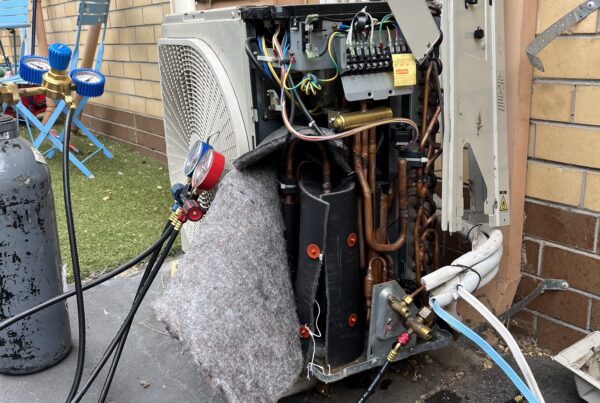
Split system air conditioning repairs can sometimes overlap with electrical fault finding because modern air conditioners contain electrical controls, motors and other powered components. A qualified technician can test the system and determine where the fault originates.
8. Older Homes Showing Multiple Electrical Symptoms
Age does not automatically mean an electrical system is unsafe, but older wiring and equipment deserve appropriate attention. Energy Safe Victoria recommends checking wiring in homes more than 30 years old, particularly where older systems may not have modern protection.
Multiple symptoms, such as flickering lights, old outlets, repeated trips and unexplained power interruptions, are a reason to consider a professional inspection. Residential electrical repairs can address individual faults, while an inspection can help identify wider issues.
When Is a Repair More Urgent?
Not every problem requires the same response. Mildly reduced airflow may allow time for a scheduled service, whereas exposed wiring, a burning smell, sparks or an electrical fault affecting essential circuits requires faster attention.
Stop using equipment when continued operation appears unsafe. Do not open switchboards, alter wiring or attempt refrigerant-related work without appropriate qualifications. Electrical and air conditioning repairs should be carried out by suitably qualified professionals.
For Melbourne homeowners, Energy Safe Victoria’s electrical safety guidance is a useful reference when deciding when professional help is required.
How Regular Maintenance Can Reduce Breakdowns
Maintenance does not guarantee that a system will never fail, but it can identify wear, contamination and performance issues earlier. Electrical checks may include switchboards, safety switches, outlets, wiring and other relevant components. Air conditioning servicing can include filters, airflow, drainage, electrical connections and system performance.
Keeping a simple record of recurring faults can also help. If the same circuit trips several times or an air conditioner loses cooling every summer, that history gives a technician useful information. Regular air conditioning maintenance is particularly useful before periods of heavy use, reducing the likelihood of urgent electrical and air conditioning repairs.
What a Professional Repair Visit Should Include
A proper repair should start with a clear description of the symptom and a systematic inspection. The technician may test electrical circuits, inspect connections, assess safety devices, examine air conditioner components and check operating performance.
For electrical work in Victoria, Energy Safe Victoria provides guidance on licensed electrical workers and electrical safety documentation. Its information can help homeowners understand what to expect when arranging electrical work.
Choosing the Right Approach for Melbourne Homes
A reliable repair process is based on diagnosis, safety and clear communication. Homeowners should describe what happened, when it started, what equipment was operating and whether the issue has occurred more than once.
For electrical repair services, the focus should be on identifying the fault and making the installation safe. For air conditioner repairs, the technician should assess electrical, mechanical and refrigeration-related components within their licensed scope. If both systems show symptoms, a coordinated assessment can avoid unnecessary delays.
Why Professional Diagnosis Matters
Accurate electrical and air conditioning repairs depend on testing the actual fault, not simply responding to the most visible symptom.
If your Melbourne property is showing warning signs, electrical and air conditioning repairs should be considered before a minor issue becomes a complete breakdown. Casper Electrical & Air provides electrical maintenance, fault finding, air conditioning servicing and repair support across South East Melbourne.
Conclusion
Knowing the warning signs makes it easier to act before a small issue becomes a major disruption. Flickering lights, repeated safety switch trips, unusual electrical smells, poor cooling, strange noises, water leaks and repeated air conditioner shutdowns all deserve attention when they persist or appear suddenly.
Melbourne homeowners should avoid guessing and arrange electrical and air conditioning repairs when warning signs persist or a fault is beyond simple maintenance. If you notice symptoms affecting your home’s electrical or cooling systems, Contact Casper Today to discuss the problem and arrange the appropriate service.
Timely electrical and air conditioning repairs can help restore reliable operation while addressing the underlying fault rather than simply masking the symptom.
FAQs
1. When should I arrange electrical and air conditioning repairs?
Arrange professional repairs when electrical faults or air conditioner problems persist, recur or create a safety concern. Warning signs include flickering lights, repeated trips, burning smells, poor cooling, unusual noises and leaks.
2. Why does my air conditioner keep tripping the safety switch?
Possible causes include an appliance fault, wiring issue, leakage current or a problem with an internal electrical component. Repeated trips should be investigated rather than repeatedly resetting the switch.
3. Are flickering lights a sign of electrical faults?
They can be. Flickering may be linked to a loose connection, faulty fitting, overloaded circuit or wiring issue. If flickering is persistent or affects multiple lights, arrange an electrical inspection.
4. How often should air conditioning be maintained?
Many residential systems benefit from regular servicing, commonly around once a year, although usage, system condition and manufacturer recommendations can affect the appropriate schedule. Regular maintenance can help identify airflow, drainage and component issues early.
5. Can one technician handle both electrical and air conditioning problems?
This depends on the technician’s licenses, qualifications and the type of work required. A suitably qualified team that covers both areas can make diagnosis easier when electrical and air conditioning repairs overlap.