
Do I Need an Electrician for Electric Vehicle Charger Installation in Bentleigh East? Essential Safe Guide 2026
Yes. If you are installing a dedicated home EV charger in Bentleigh East, the electrical work must be completed by a licensed electrician. A dedicated charger connects to your home’s electrical supply, so the electrician needs to assess the switchboard, available electrical capacity, circuit protection and charger requirements before installation.
For many new EV owners across Bentleigh East and nearby Bentleigh, charging seems straightforward until they start looking at 7 kW wall chargers, dedicated circuits, single-phase and three-phase power, and switchboard capacity. Understanding what is involved before installation can help you choose a suitable charger and avoid electrical problems later.
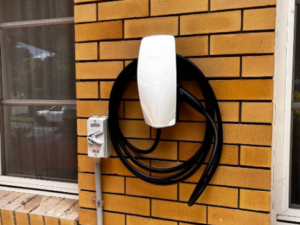
Why Does an EV Charger Need an Electrician?
A portable EV charging cable can sometimes be connected to an existing standard household power point. This is commonly called Level 1 or trickle charging and is much slower than using a dedicated wall charger.
A dedicated Level 2 charger is different. These chargers usually provide between 7 kW and 22 kW and connect directly to your home’s electrical installation. This means the circuit, cabling and protective devices must be suitable for the additional electrical load.
Homeowners in McKinnon and Moorabbin may also have older electrical systems depending on the age of the property. An electrician can check whether existing wiring and switchboard equipment are suitable before adding a dedicated charging circuit.
What Happens During Electric Vehicle Charger Installation?
Before Electric Vehicle Charger Installation, an electrician should assess your property rather than simply mounting the charger and connecting a cable.
The assessment may include:
- Checking your existing switchboard and main supply
- Confirming whether the home has single-phase or three-phase power
- Reviewing available electrical capacity
- Determining the appropriate dedicated circuit
- Checking cable routes between the switchboard and parking area
- Selecting suitable electrical protection
- Confirming charger compatibility
- Considering solar, battery storage or smart charging where relevant
Homes in Ormond and Oakleigh South can vary greatly in age and electrical configuration, so there is no single installation setup that suits every property. The charger needs to match both the vehicle and the home’s electrical system.
Can My Existing Switchboard Handle an EV Charger?
Sometimes it can, but you should not assume that it will.
Bentleigh East has a mix of established homes, renovated properties, units and newer townhouses. The same applies in nearby Murrumbeena and Carnegie, where older homes may have undergone partial electrical upgrades over time.
A relatively modern switchboard may already have enough capacity for a suitable charger. An older board may require changes before the charger can operate safely.
An electrician can assess the home’s existing load and determine whether a switchboard upgrade, load-management system or different charger configuration is appropriate.
Do You Need Three-Phase Power for Home EV Charging?
Not necessarily.
Many homes can use a single-phase 7 kW charger effectively. For a typical household where the vehicle is parked overnight, this charging rate may provide enough energy for normal daily driving.
Three-phase power can support higher AC charging rates, such as 11 kW or 22 kW, when both the property and vehicle support them. However, installing three-phase power solely for an EV is not automatically necessary.
Properties in Hughesdale and Oakleigh may already have three-phase supply because of previous renovations, larger electrical loads or other equipment. An electrician can confirm what supply is available before recommending a charger.
Your vehicle also has a maximum AC charging rate. Installing a charger capable of 22 kW will not make the vehicle charge at 22 kW if its onboard charger only accepts a lower rate.
Can I Just Use a Normal Power Point?
For some drivers, yes.
A standard household power point may be suitable for occasional or lower-distance charging when used with the manufacturer’s approved portable charging cable. It may work well if you drive relatively short distances and the vehicle remains parked for long periods.
Homeowners in Hampton East or Heatherton who only travel short daily distances may find slower charging sufficient for their needs. However, the condition of the power point and circuit still matters because EV charging can draw electricity continuously for many hours.
Avoid using ordinary extension leads or power boards for EV charging. If you are unsure about the condition of the outlet or wiring, have an electrician inspect it before regularly charging your vehicle.
Should I Choose a 7 kW, 11 kW or 22 kW Charger?
The right charger depends on more than the largest number on the specifications sheet.
Consider:
- Your vehicle’s AC charging limit: Some vehicles cannot accept the maximum output of higher-powered chargers.
- Your home’s electrical supply: Single-phase and three-phase properties support different charging arrangements.
- Your daily kilometres: A driver travelling 30 kilometres a day has different needs from someone regularly travelling much further.
- How long the car stays parked: Overnight charging may make a moderate charging speed entirely adequate.
- Solar generation: Smart chargers can sometimes prioritise available rooftop solar.
Homes in Glen Huntly and Clarinda may have very different electrical requirements depending on the age of the property, switchboard condition and existing loads.
Casper Electrical & Air Pty Ltd can assess the property and charging requirements before recommending an appropriate setup rather than choosing a charger based only on maximum output.
What About EV Chargers in Apartments and Units?
Installation can be more involved if you live in an apartment, unit complex or property with shared electrical infrastructure.
You may need approval from the owners corporation before installing equipment in your allocated parking space. The building’s available electrical capacity, metering arrangement, cable route and future demand from other EV chargers may also need consideration.
This can be especially relevant in denser residential areas such as Huntingdale, where townhouses, units and shared developments are common alongside detached homes.
If several residents plan to install chargers, load management may be needed so the building’s electrical infrastructure is not overloaded.
Can an EV Charger Work With Solar Panels?
Yes. A suitable smart charger can be configured to make greater use of rooftop solar generation.
For example, you may be able to schedule charging during periods when your solar system is generating surplus electricity rather than charging entirely overnight.
This can suit homeowners in Bentleigh East and surrounding suburbs who already have rooftop solar installed and want their EV charging system to work alongside their existing energy setup.
Your electrician can check whether the charger, solar inverter and electrical system are compatible with the charging strategy you want.
FAQs About EV Charger Installation in Bentleigh East
Can I install my own EV wall charger?
No. A dedicated wall charger involves electrical installation work and should be installed by a licensed electrician. This includes installing new circuits, cabling and protective devices.
Does every EV charger need a new switchboard?
No. Some existing switchboards are suitable, while others need upgrading or modification. An electrician needs to inspect the installation and available electrical capacity first.
Is a 7 kW charger enough for home charging?
For many households, yes. A 7 kW charger can be suitable when the vehicle is regularly parked at home for several hours, although the best option depends on your driving habits and vehicle.
Can an electrician install chargers for Tesla, BYD and other EVs?
A suitably qualified electrician can install compatible chargers for many EV makes. The charger, connector type, vehicle specifications and electrical supply should all be checked before installation.
When to Call a Professional
Contact an electrician when you want a dedicated wall charger installed, need a new charging circuit, are unsure whether your switchboard has enough capacity, or want to integrate charging with solar or load management.
For Electric Vehicle Charger Installation in Bentleigh East, Casper Electrical & Air Pty Ltd can assess your switchboard, electrical supply, parking position and charger requirements before carrying out the necessary electrical work.
The team can also assist homeowners throughout nearby areas including Bentleigh, McKinnon, Moorabbin, Ormond, Oakleigh South, Murrumbeena, Carnegie, Hughesdale, Oakleigh, Hampton East, Heatherton, Glen Huntly, Clarinda and Huntingdale.
Conclusion
A dedicated EV charger is more than an appliance mounted on the garage wall. Safe Electric Vehicle Charger Installation requires the home’s electrical capacity, switchboard, circuit protection, cable route and vehicle charging requirements to be considered together.
You may not need three-phase power or a switchboard upgrade, and some drivers may find standard power-point charging sufficient for their normal travel. The right solution depends on your property and how you use your vehicle.
If you are preparing for an EV charger at your Bentleigh East home, contact Casper Electrical & Air Pty Ltd to have your electrical setup assessed and determine the right charging arrangement for your property.