
Where Should Security Cameras Be Placed? Essential Safe Guide for Bentleigh East 2026
The best places for security cameras are your front entrance, driveway, side access, rear doors and other paths someone could use to approach your property. Good placement should capture useful details such as faces and vehicles without creating unnecessary blind spots or recording private areas that do not need monitoring.
For homes in Bentleigh East, camera placement should suit the actual layout of the property rather than following a fixed formula. The same applies to nearby homes in Bentleigh, McKinnon and Moorabbin, where block sizes, driveways and side access can vary considerably from one property to another.
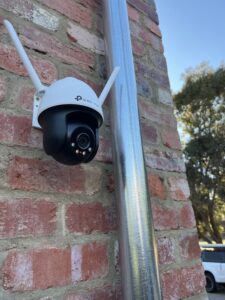
Why Camera Placement Matters
A high-resolution camera will not provide useful footage if it faces the wrong direction. Cameras positioned too high may record the tops of people’s heads, while cameras facing strong lights, reflective surfaces or direct sunlight can struggle to capture clear details.
Before installing anything, walk around your property as though you were approaching it from the street. Look for the routes someone could realistically use to reach a door, window, garage or backyard.
This is particularly useful for homes around Ormond and Oakleigh South, where property layouts may include long driveways, side paths or detached garages. Think about what you actually want each camera to identify before choosing a final position.
Where Should Security Cameras Be Placed Around Your Home?
For most Bentleigh East homes, these areas are worth assessing first.
1. Front Door and Main Entrance
Your front entrance is one of the most useful places for a camera because visitors, deliveries and unexpected callers usually approach through this area.
Position the camera so it captures a person’s face as they approach rather than only showing the top of their head. Avoid pointing it directly at bright streetlights or strong afternoon sunlight where possible.
Homes in Murrumbeena and Carnegie with short front setbacks may need a tighter camera angle so the entrance is covered without capturing more of the street than necessary.
2. Driveway and Garage
Driveways provide access to vehicles, garages and often side areas of the home. A well-positioned camera can help capture vehicles entering the property as well as movement around parked cars.
If vehicle identification matters, consider the viewing distance and camera angle carefully. A very wide camera view may show the entire driveway but provide less facial or vehicle detail at the far end.
For properties in Hughesdale and Oakleigh with longer driveways, rear garages or shared access, more than one viewing position may be useful.
3. Side Gates and Narrow Access Paths
Side access is easy to overlook, particularly on detached homes where fences or neighbouring buildings make the area difficult to see from inside.
Positioning security cameras near side gates can help monitor anyone moving between the front and rear of the property. The camera should cover the route rather than simply pointing along a blank fence.
This can be especially useful around Hampton East and Heatherton, where some homes have side access leading directly towards sheds, garages or backyards.
4. Rear Doors and Backyard Access
Back doors, patio entrances and rear gates can provide another way into a property.
A camera covering the rear entrance should provide enough detail to show someone approaching the door while still giving you useful context around the surrounding area.
For homes near Clarinda or Huntingdale with rear access, sheds or detached structures, the backyard may need its own camera rather than relying on a front-facing system to cover the entire block.
5. Ground-Floor Windows and Vulnerable Areas
You generally do not need a camera pointed at every window. Instead, identify windows that can be reached from concealed areas, side paths or parts of the property that cannot easily be seen from the street.
Homes in Glen Huntly and surrounding areas may have extensions, narrow side paths or vegetation that creates hidden approaches. Cameras should monitor the route into these areas rather than looking directly through windows.
How High Should CCTV Cameras Be Mounted?
There is no single mounting height that suits every property. The goal is to place a camera high enough to reduce easy interference while keeping the viewing angle useful for identification.
Installing a camera extremely high under the roofline can provide a broad overview, but faces may become harder to recognise. Lower positions can provide better detail but may require greater protection from tampering.
Before finalising a position, test what the camera can actually see. Check footage during both daylight and night conditions and confirm that important areas remain visible.
Avoid These Common Camera Placement Mistakes
Even a good CCTV system can perform poorly when cameras are positioned without considering real conditions.
Common mistakes include:
- pointing cameras directly into strong sunlight or bright lighting
- mounting every camera as high as possible
- leaving side entrances or rear access uncovered
- placing obstacles such as gutters, posts or plants in the camera’s field of view
- expecting one wide-angle camera to identify people across a large area
- relying only on Wi-Fi coverage without checking connection strength
- failing to test night-time image quality
Trees and shrubs should also be considered. A clear view during installation can become partially blocked later as vegetation grows.
Wired or Wireless Cameras?
Camera location can affect whether a wired or wireless system is suitable.
Wireless cameras may provide installation flexibility, but they still depend on reliable connectivity and power or battery management. Brick walls, garages and distance from your router can affect wireless performance.
This can matter in larger homes around Oakleigh South, Heatherton and Clarinda, where a camera at the rear of the property may sit well beyond the strongest indoor Wi-Fi coverage.
Wired CCTV systems can provide a stable connection and centralised recording, particularly when multiple cameras are required. Fixed communications, security and data cabling in Australia may need to be performed or supervised by an appropriately registered cabler under the Telecommunications (Cabling Provider) Rules 2025.
Consider Privacy Before Choosing Camera Angles
Your cameras should focus on protecting your property rather than unnecessarily monitoring neighbouring private areas.
In Victoria, surveillance devices are subject to the Surveillance Devices Act 1999. Camera systems that also record audio can raise additional considerations, so it is sensible to review how recording features are configured rather than simply turning every feature on.
This is especially relevant in denser areas such as Bentleigh, McKinnon and Ormond, where homes may sit closer together. As a practical rule, aim cameras at your entrances, access paths and property rather than into neighbouring homes or private spaces.
Privacy zones available on some systems can also help block areas that do not need to be recorded.
Planning Security Cameras for Bentleigh East Properties
Bentleigh East contains a mix of detached homes, renovated properties, townhouses and multi-dwelling developments. That means security cameras should be planned around the property rather than installed according to a standard camera count.
Similar planning applies across nearby suburbs including Moorabbin, Murrumbeena, Carnegie and Hughesdale. A townhouse with shared access will require a different approach from a freestanding home with a large driveway and rear yard.
Start by identifying:
- How people can enter the property.
- Which areas cannot be easily seen from inside.
- Where vehicles, tools or other valuable items are kept.
- Whether cameras can capture useful facial detail.
- How cabling, power and network connections will reach each location.
Casper Electrical & Air Pty Ltd can assess these factors before equipment is installed, helping you choose camera positions that match the way your property is actually used.
When to Call a Professional
You can plan basic camera locations yourself by walking around your home and identifying entrances, driveways and concealed access points. However, professional help is useful when you need fixed cabling, several cameras, difficult cable routes, network configuration or a system designed to reduce blind spots.
Properties in Oakleigh, Huntingdale, Hampton East and Glen Huntly can each present different access, wiring and camera-positioning challenges. A professional assessment can help determine where each camera should go before cables and equipment are installed.
If you are planning a CCTV or data security setup in Bentleigh East or nearby suburbs, contact Casper Electrical & Air Pty Ltd to discuss suitable camera locations and installation options for your property.
Conclusion
Effective security cameras depend as much on placement as they do on the camera itself. Focus first on the front entrance, driveway, side access, rear doors and other genuine approaches to your home, then check viewing angles during both the day and night.
Avoid simply installing more cameras to compensate for poor positioning. Whether your property is in Bentleigh East, Bentleigh, Moorabbin or another nearby suburb, a smaller system with carefully planned views can often provide more useful footage than cameras placed without a clear purpose.
For help planning CCTV coverage in Bentleigh East and surrounding suburbs, speak with Casper Electrical & Air Pty Ltd about a system suited to your property, access points and data requirements.
Frequently Asked Questions
Should security cameras cover the front door or driveway first?
Ideally, both should be considered. The front door provides a useful identification point, while the driveway can capture people and vehicles approaching your property. The priority depends on the layout of your home.
Can CCTV cameras point towards the street?
A camera may naturally capture part of the street when monitoring your driveway or entrance. Keep the field of view focused on what is reasonably needed to protect your property and avoid unnecessarily recording private neighbouring areas.
Do security cameras need Wi-Fi?
Not always. Some wired CCTV systems record to a local network video recorder, while other systems use Wi-Fi or internet connections for remote viewing and alerts. The right setup depends on the camera system and how you want to access footage.
Where should I avoid installing CCTV cameras?
Avoid positions blocked by trees, gutters or walls, locations facing strong light sources, and angles that unnecessarily capture private neighbouring areas. You should also avoid mounting cameras so high that facial details become difficult to identify.