
Where Should Sensor and Security Lighting Be Installed Around a Home? Essential Safe Guide for Bentleigh East 2026
The best places for sensor and security lighting are entry points, driveways, garages, side access paths, backyards and other areas where poor visibility can make moving around your property difficult. Correct placement helps the sensor detect movement effectively while reducing unnecessary activation from passing traffic, neighbours or vegetation.
For homeowners in Bentleigh East, lighting placement should suit the home’s layout rather than simply adding the brightest fitting available. The same applies to nearby properties in Bentleigh and McKinnon, where block size, driveway position and access paths can affect where outdoor lighting works best.
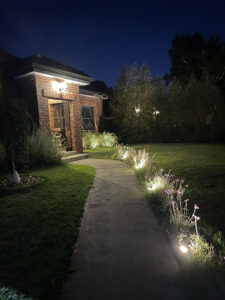
Why Sensor Light Placement Matters
Sensor lights only work well when both the light and motion detector are positioned correctly. A powerful fitting installed in the wrong spot may leave dark areas, shine into neighbouring properties or activate every time a car passes on the street.
Good placement also helps you move safely around outdoor areas after dark. Steps, uneven paths, gates and driveways can be easier to see when lights activate before you reach them.
Homes across Bentleigh East, Moorabbin and Ormond can vary significantly in layout. Older detached homes may have long side paths, while newer townhouses may have compact driveways and shared boundaries. The lighting layout should suit the property rather than follow a one-size-fits-all approach.
Where Should Sensor and Security Lighting Be Installed?
1. Front Entrances
Your front door is one of the most useful places for motion-activated lighting. A sensor light can illuminate visitors approaching the entrance and make it easier to find keys, see steps and identify who is at the door.
Position the sensor so it detects someone approaching the entrance rather than movement from the footpath or road. This is particularly useful on homes in busier residential areas such as Oakleigh South and Murrumbeena, where passing pedestrians and vehicles may otherwise trigger the light.
The light should illuminate the doorway and surrounding path without shining directly into nearby windows.
2. Driveways
Driveways are another common location for sensor and security lighting. Lighting can activate as you arrive home, helping you see parked vehicles, garage doors, bins and other obstacles.
Sensor positioning is particularly important on properties close to busy streets. If the detection zone extends beyond the property boundary, passing pedestrians and vehicles may continually trigger the light.
Properties in Carnegie and Hughesdale may have narrow driveways or parking close to neighbouring boundaries. Correct sensor direction and detection range can help keep the light focused on your own property.
3. Garages and Carports
Garages and carports often benefit from dedicated motion lighting around their entrances. These areas may be poorly illuminated by existing outdoor lights, particularly when the garage is set back from the street.
A sensor light can activate when you approach the garage on foot or in a vehicle. It can also provide useful visibility around storage areas, side doors and access points.
For wider garages in Bentleigh East or nearby Oakleigh, more than one fitting may provide more even coverage than a single high-powered floodlight.
4. Side Access Paths
Narrow side paths between a home and boundary fence can become very dark after sunset. They may also contain bins, garden equipment, steps or utility equipment.
Installing motion lighting along side access areas can make these paths easier to use without leaving outdoor lights running continuously. This can be especially useful for homes in Hampton East and Heatherton with side gates or access between the front and rear of the property.
Sensor placement should account for fences, walls and landscaping that could restrict the detection zone. Plants moving in the wind can also cause some poorly adjusted sensors to activate unnecessarily.
5. Backyards and Outdoor Living Areas
Backyards are useful locations for security lights, particularly around rear doors, sheds and access gates.
Rather than flooding the entire yard with extremely bright light, consider where people actually walk. Lighting paths, steps, doors and entertaining areas usually provides more practical coverage.
Homes around Glen Huntly and Clarinda may have different yard sizes and boundary arrangements, so the light should be angled to suit the space while avoiding unnecessary glare into neighbouring properties.
Other Areas Worth Considering
Depending on your home’s layout, useful positions may include:
- rear doors and laundry entrances
- gates and fence openings
- paths between the driveway and front door
- garden sheds
- pool equipment areas
- outdoor stairways
- bin storage areas
- utility or meter locations
Not every area needs its own fitting. In some cases, one carefully positioned light can cover several nearby access points. This is often more practical than installing multiple overlapping lights around smaller homes or townhouses.
How High Should Sensor and Security Lighting Be Installed?
There is no single mounting height that suits every property. The correct height depends on the fitting, manufacturer specifications, sensor detection pattern and the area being covered.
Installing a sensor too high can affect how movement is detected, while placing it too low may make it easier to obstruct or damage.
Whether your property is in Bentleigh East, Huntingdale or another nearby suburb, the mounting position should allow the light to illuminate the intended area rather than create glare. A licensed electrician can assess the fitting instructions and adjust the sensor after installation.
How to Reduce False Sensor Activations
False triggering is one of the most common frustrations with outdoor motion lights. It often happens because the sensor is aimed towards a road, footpath, tree or another frequently moving object.
You can reduce unnecessary activation by considering:
- the direction people normally approach from
- nearby roads and footpaths
- trees and moving vegetation
- neighbouring driveways
- the sensor’s detection range
- sensitivity and timing settings
Many modern fittings allow the detection distance, operating time and sensitivity to be adjusted. Correct setup is particularly useful in closely built areas around Bentleigh East and nearby suburbs where driveways and footpaths may sit close together.
Choosing the Right Sensor and Security Lighting
When planning sensor and security lighting, consider more than brightness alone. The fitting also needs to suit its outdoor environment and intended location.
Look at factors such as weather resistance, sensor range, beam direction and whether the fitting allows adjustment after installation. A driveway may require a different setup from a narrow side path or covered entrance.
Light colour can also affect how an outdoor area feels. Extremely bright or poorly aimed lighting may create glare rather than improving visibility.
Casper Electrical & Air Pty Ltd can assess homes across Bentleigh East and surrounding areas such as Bentleigh, Moorabbin, Carnegie and Oakleigh South to determine suitable positions based on property access, existing lighting and outdoor layout.
Should You Leave Security Lights on All Night?
Not necessarily. Motion-activated lights are designed to operate when movement is detected, which means they do not always need to remain on continuously.
Some properties benefit from a combination of low-level permanent lighting and brighter motion-activated lights around entrances or access points.
The right approach depends on your property, how often outdoor areas are used and the type of lighting already installed.
Electrical Safety Requirements in Victoria
Hardwired outdoor lighting involves electrical installation work and should not be treated as a DIY project.
Electrical work in Victoria must be carried out by appropriately licensed electrical workers. Homeowners should use a Registered Electrical Contractor for electrical installation work, and a Certificate of Electrical Safety is required for completed electrical work.
This applies whether you are installing new lighting in Bentleigh East, replacing fittings in Murrumbeena or adding outdoor sensor lights to a property in Ormond or Hughesdale.
When to Call a Professional
You should call a licensed electrician when installing new hardwired lighting, relocating existing fittings, adding new wiring or troubleshooting a sensor light that repeatedly fails or behaves unpredictably.
A professional can assess the detection area, mounting position, existing circuits and outdoor conditions before installation. This helps avoid common problems such as dark spots, excessive glare and sensors that activate whenever someone walks past the property.
If you are planning sensor and security lighting in Bentleigh East or nearby areas including McKinnon, Hampton East, Heatherton, Clarinda or Huntingdale, Casper Electrical & Air Pty Ltd can assess your property and recommend suitable positions for entrances, driveways, side paths and outdoor areas.
Conclusion
Effective sensor and security lighting depends on where the lights and sensors are positioned. Front entrances, driveways, garages, side paths, backyards and access gates are common locations, but each fitting should be planned around the property’s layout.
Keep sensor detection zones away from busy roads, moving vegetation and neighbouring properties wherever possible. Correct positioning can improve visibility while reducing excessive glare and unnecessary activation.
For professional sensor lighting installation in Bentleigh East and surrounding suburbs such as Glen Huntly, Oakleigh and Carnegie, contact Casper Electrical & Air Pty Ltd to discuss suitable lighting positions for your home.
Frequently Asked Questions
Where is the best place to put a motion sensor light?
The best locations are usually entrances, driveways, garages, side access paths and rear doors. Position the sensor so it detects people entering your property rather than traffic or pedestrians outside the boundary.
Can sensor lights be installed near the front door?
Yes. Front doors are one of the most practical locations for sensor lights because they can illuminate visitors, steps and the entrance when someone approaches.
Why does my sensor light keep turning on by itself?
The sensor may be detecting passing vehicles, pedestrians, pets, moving plants or other heat and movement sources. Adjusting the sensor direction, range or sensitivity may help.
Do I need an electrician to install outdoor sensor lights?
Yes, if the lighting is hardwired. Electrical installation work in Victoria must be completed by an appropriately licensed electrical worker, with the required electrical safety certification provided after the work is completed.