Some Melbourne homes still have halogen downlights that stay on for hours every evening. Others have older fluorescent fittings in garages, offices or workshops. One light might not seem expensive to run, but when several are switched on every day, the electricity use adds up.
A lighting upgrade Melbourne project can help reduce that waste. Replacing outdated lights with suitable LEDs is often a practical starting point, although the best results depend on the fittings already installed, how each room is used and whether the existing lighting meets your needs.
For homeowners considering a lighting upgrade Melbourne property assessment, it helps to start with the lights used most often. Checking their power consumption, brightness and operating hours can reveal where a change is likely to make the biggest difference.
Why Are Older Lights Costing You More?
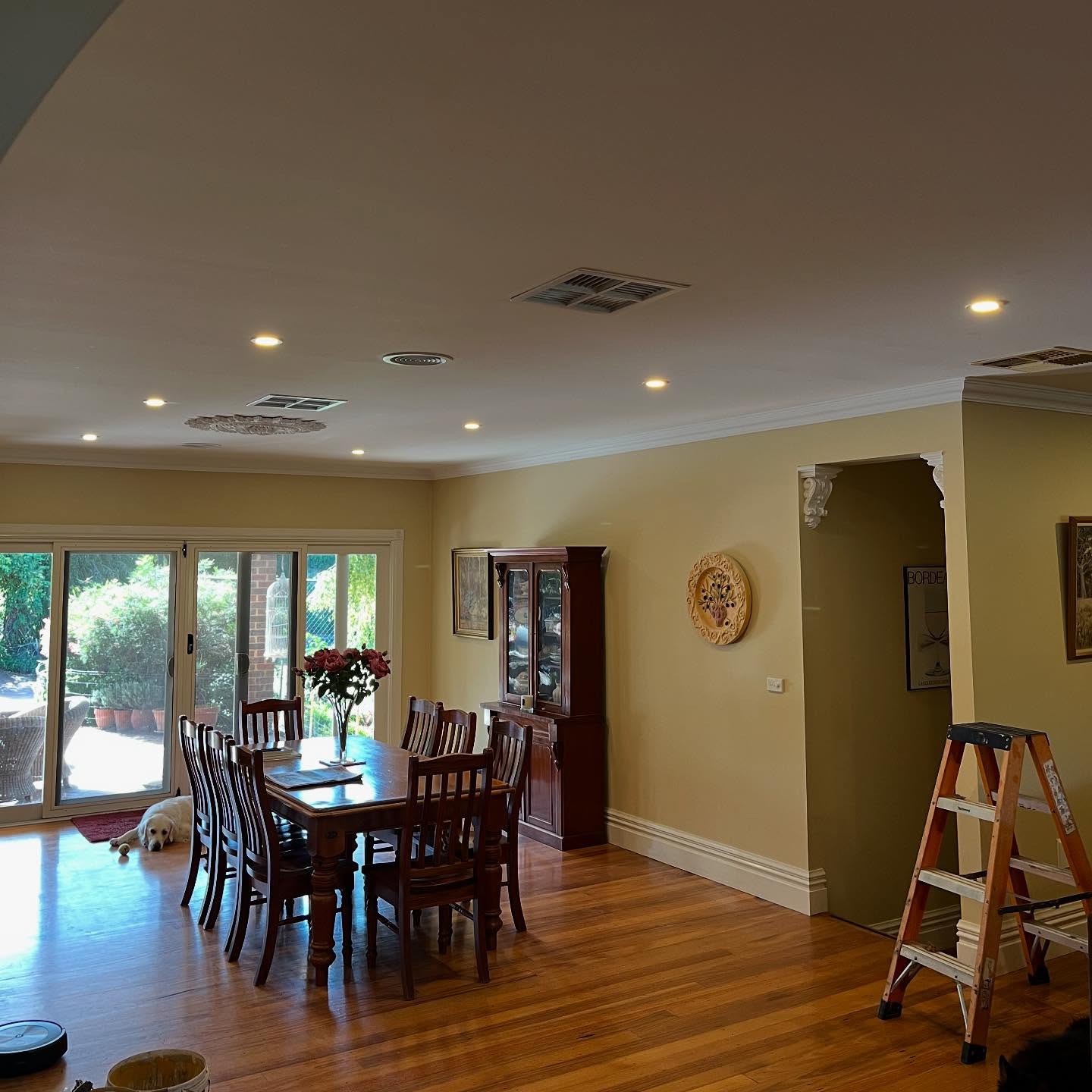
Older lighting technology can use considerably more electricity than modern alternatives. Halogen downlights are a common example. A traditional 50-watt halogen lamp may be replaced by a suitable 10-watt LED, provided the new product delivers the required brightness and light distribution.
That difference becomes more noticeable when a property has several lights operating for long periods. Businesses can face a similar issue in offices, retail stores and workshops where lights run throughout the working day.
Heat is another consideration. Halogen lamps release more heat than LEDs, which can affect comfort in some rooms. During warmer weather, reducing unnecessary heat from lighting may also help ease the load on air conditioning, although the overall effect depends on the building.
Before planning a lighting upgrade Melbourne homeowners should check which fittings are used most often. Kitchen lights, living room downlights and outdoor security lights may be better places to start than a spare room that is rarely occupied.
A well-planned lighting upgrade Melbourne project can help priorities these frequently used fittings, making it easier to reduce unnecessary electricity consumption without replacing every light in the house.
How Do LED Lights Reduce Energy Consumption?
LEDs produce light using less electricity than traditional incandescent and halogen lamps. They also tend to last longer, reducing the frequency of replacement when suitable products are installed and used under appropriate conditions.
The Australian Government’s energy guidance identifies LEDs as a more efficient alternative to conventional lighting. The exact saving depends on the lamp being replaced, the LED selected and the number of hours each light operates.
Consider a 50-watt halogen light replaced with a 10-watt LED. If the light operates for five hours every day, the annual electricity saving would be about 73 kilowatt-hours.
That calculation assumes the replacement provides suitable illumination and is used for the same length of time. It does not include installation costs or changes in electricity prices.
For a lighting upgrade Melbourne property owners should look beyond the wattage printed on the packaging. Lumens indicate the amount of light produced, while color temperature describes whether the light appears warm or cool. Both affect how well a fitting works in a particular room.
An inexpensive LED is not necessarily the right choice if it produces uneven light, flickers or fails to work with the existing dimmer. Product quality and compatibility matter just as much as energy consumption. A carefully planned lighting upgrade Melbourne project should consider these factors before selecting replacement fittings, helping ensure the new lights are efficient as well as practical.
Which Lighting Improvements Make the Biggest Difference?
There is no single lighting arrangement that suits every property. A kitchen needs enough light for food preparation, while a bedroom may be more comfortable with a softer setting. A warehouse has different requirements again.
The following options are worth considering when comparing energy-efficient lighting Melbourne solutions.
Lighting improvement | How it helps | Suitable areas | What to check |
| LED downlights | Use less electricity than comparable halogen fittings | Living rooms, kitchens and hallways | Light output, ceiling clearance and insulation compatibility |
LED panel lights | Provide broad, even illumination | Offices, shops and classrooms | Glare, color quality and required brightness |
| Motion sensors | Switch lights on when movement is detected | Garages, entrances and selected outdoor areas | Sensor range, positioning and switching settings |
Dimmable LED fittings | Allow brightness to be adjusted when full output is unnecessary | Bedrooms, dining rooms and meeting spaces | Compatibility between the LED and dimmer |
| Timers and smart controls | Help prevent lights being left on unnecessarily | Commercial spaces and exterior lighting | Operating schedules and control compatibility |
Task lighting | Directs light towards a particular activity | Kitchen benches, desks and workshops | Positioning and shadow reduction |
| Daylight-responsive controls | Reduce artificial lighting when sufficient daylight is available | Offices and larger commercial buildings | Sensor placement and natural light levels |
For many homes, replacing frequently used halogen lamps is a sensible first step. A business with long operating hours might gain more from upgrading a large number of inefficient fittings or introducing controls that suit the way different areas are used.
A lighting upgrade Melbourne assessment should identify these priorities before any products are purchased. There is little value in replacing an efficient fitting simply because a newer model is available.
What Should Melbourne Homeowners Consider Before Replacing Lights?
The existing ceiling and electrical installation can influence which products are suitable. When planning a lighting upgrade Melbourne homeowners should check that recessed downlights are compatible with the ceiling construction and insulation. Some fittings require specific clearances or approved protective measures.
Bathrooms and outdoor areas need additional care because moisture and weather exposure affect the type of equipment that can be installed. A fitting intended for a dry living room may not be suitable for an exposed entrance or damp area.
Light placement also deserves attention. If a kitchen bench remains shadowy despite having several ceiling lights, changing the layout or adding task lighting may solve the problem more effectively than installing brighter lamps everywhere.
Color temperature can change the feel of a room, too. Warm white is often preferred in bedrooms and living spaces, while neutral white may suit kitchens, laundries and work areas. Personal preference and the room’s purpose should guide the final decision.
When planning a lighting upgrade Melbourne households should also consider the controls already fitted. Some older dimmers do not work properly with LED lamps and can cause flickering, buzzing or limited dimming. An electrician can check compatibility before the new lights are installed.
Can Commercial Lighting Upgrades Lower Business Running Costs?
Businesses often have more lights operating for longer periods than a typical household. Offices may be illuminated throughout the workday, retail stores need clear displays, and warehouses require suitable visibility for staff and equipment.
These conditions make a commercial lighting upgrade Melbourne project worth assessing carefully. Even modest reductions in electricity use can accumulate when dozens of fittings operate for many hours each week.
For example, a warehouse may benefit from efficient high-bay fittings and separate controls for storage areas that are not always occupied. An office might use LED panels and daylight-responsive controls near windows. In a retail setting, focused lighting can highlight products without requiring every fitting to run at full output.
Maintenance should be part of the calculation. Replacing a failed lamp in a high-ceiling space may require access equipment and interrupt normal work. Longer-lasting LEDs can reduce the frequency of replacements, although the result depends on product quality and operating conditions.
Businesses in Victoria may also be eligible for assistance through the Victorian Energy Upgrades program. The program includes discounts for certain commercial and industrial lighting upgrades, subject to eligibility requirements.
Before planning a lighting upgrade Melbourne project, check the Victorian Government’s commercial lighting upgrade discounts to see whether your business may qualify. Confirm the current requirements with an accredited provider, as not every lighting replacement is eligible.
What Should You Check Before Arranging Installation?
Buying new fittings is only part of the job. Before starting a lighting upgrade Melbourne project, check the existing wiring, ceiling conditions and lighting controls to make sure the proposed fittings will work properly in your property.
Before proceeding, work through the following checks:
- Review existing lights: Note the lamp types, wattages and approximate hours of use.
- Check brightness: Compare light output in lumens instead of choosing products by wattage alone.
- Choose suitable fittings: Consider color temperature, beam angle and the room’s purpose.
- Check the controls: Confirm compatibility with dimmers, timers, sensors and smart switches.
- Assess electrical safety: Have an appropriately licensed electrician check the existing installation and proposed replacements.
- Compare total costs: Include products, installation, electricity consumption and likely maintenance.
Taking these steps can help you avoid purchasing fittings that do not suit your property. A properly planned lighting upgrade Melbourne installation should account for both energy efficiency and electrical safety. Any electrical work involving hardwired fittings, wiring or circuits should be completed by a suitably licensed electrician.
Conclusion
A lighting upgrade Melbourne project does not always require a complete replacement of every fitting. In many properties, the practical starting point is to identify the lights that consume the most electricity, choose suitable LED replacements and improve controls where necessary.
The result should be lighting that works for the way people actually use the space, rather than simply installing the newest products available.
If you are considering changes to your home or workplace, explore lighting upgrade services from Casper Electrical & Air. Book a lighting assessment to discuss your existing fittings, compare suitable options and plan improvements that balance energy efficiency, comfort and safety.
Frequently Asked Questions
1. How much electricity can LED lighting save?
LEDs can use substantially less electricity than halogen lighting. The actual saving depends on the original wattage, replacement product, operating hours and electricity tariff.
2. Is an LED upgrade worthwhile for an older Melbourne home?
It can be worthwhile if the property still has inefficient halogen or incandescent lamps. An assessment can identify which lights are worth replacing and whether the existing controls need attention.
3. Can commercial lighting upgrades reduce maintenance?
Yes. Quality LED fittings generally have longer rated lifespans than traditional lamps, which may reduce replacement frequency. Actual performance depends on the product and installation conditions.
4. Do motion sensors help reduce lighting costs?
They can reduce wasted electricity in suitable areas by switching lights off when spaces are unoccupied. Garages, storerooms and selected outdoor areas are common applications.
5. Do I need an electrician for a lighting upgrade in Melbourne?
Electrical installation work should be carried out by an appropriately licensed electrician. They can check fitting compatibility, wiring and safety requirements, then test the completed installation.