Owning an electric vehicle can make everyday driving simpler, but charging at home needs a little planning. A standard household outlet may work for occasional charging, yet many Melbourne EV owners prefer a faster and more convenient setup. That is where electric vehicle charger installation becomes worth considering.
A dedicated charger can make overnight charging much more practical, particularly for people who drive regularly or have longer commutes. Before arranging an installation, however, it is important to understand the charger type, available electrical capacity, location of the unit and condition of the switchboard. For homeowners looking at their options, the Electric Vehicle Charging service page provides more information about professional installation in South East Melbourne.
Why Consider a Dedicated EV Charger at Home?
Charging from a standard power point is possible, and it may be enough for drivers with relatively low daily mileage. However, it is generally slower than using a dedicated charging unit.
According to the Australian Government, around 80% of reported EV charging in Australia takes place at home. A dedicated home charger can typically operate between 7 and 22 kW, offering considerably faster charging than a standard household outlet.
This does not mean every household needs the most powerful charger available. Your driving habits, vehicle, electrical supply and budget should all influence the decision.
For example, someone who drives only a short distance each day may be perfectly comfortable charging overnight. Another household with two EVs or frequent long-distance travel may benefit from a higher-capacity system and smart charging features.
What Happens During Electric Vehicle Charger Installation?
Professional electric vehicle charger installation is more than simply mounting a charging unit on a wall and connecting a cable.
The electrician needs to consider how the charger will connect to the home’s electrical system and whether the existing supply can safely support the additional load. The location also matters because the cable needs to reach the vehicle conveniently without creating a trip hazard or requiring unsuitable extension leads.
A typical assessment may consider:
- The condition and capacity of the existing switchboard
- The distance between the switchboard and proposed charger location
- The vehicle manufacturer’s charging requirements
- Available electrical supply at the property
- Existing household electrical loads
- Whether solar or smart charging should be integrated
- The most practical location for the charging unit
The Australian Government recommends using a licensed electrician for a dedicated home charger because the installation may require changes to the switchboard or supply connection.
Choosing the Right Charger for Your Home
There is no single charger that suits every EV owner. Charging equipment varies in power, features, connectivity and installation requirements.
A Level 2 charger is commonly used for residential applications and generally operates from 7 to 22 kW. Charging speed still depends on the vehicle’s onboard charging capability, battery state and other factors.
A homeowner should therefore avoid choosing a charger based purely on its maximum advertised power.
Charger Comparison for Melbourne Homes
| Charging option | Typical power | Charging speed | Best suited to | Installation considerations |
|---|---|---|---|---|
| Standard household outlet | 1.4–3.7 kW | Slow | Occasional or low-mileage driving | Existing outlet may be suitable, but charging should be safe and appropriate |
| Dedicated Level 2 charger | Up to 22 kW | Faster | Regular home charging | Dedicated circuit and licensed electrical installation required |
| Smart EV charger | Usually Level 2 | Adjustable | Homes wanting better energy management | May require compatible electrical setup and smart controls |
| Solar-integrated charging | Depends on charger/system | Varies | Homes with rooftop solar | Requires assessment of solar generation and household electrical loads |
| Commercial/high-capacity setup | Varies | Fast to very fast | Businesses, fleets and larger properties | May require additional infrastructure and load management |
The figures above are general guidance rather than a recommendation for a particular vehicle. Your EV’s specifications should always be checked before selecting charging equipment.
How Your Switchboard Affects Installation
One of the most important parts of electric vehicle charger installation is assessing the switchboard.
Older homes can have electrical infrastructure that was designed around the appliances and power demands common when the property was built. Adding a dedicated charger introduces another significant electrical load, so the existing system needs to be assessed before work begins.
A switchboard upgrade is not automatically required. It depends on the condition of the board, available capacity, existing protection and the proposed charger.
If an upgrade is necessary, dealing with it during the charger project can provide a more suitable foundation for future electrical demand as well.
Where Should an EV Charger Be Installed?
The most convenient position is usually close to where the vehicle is parked. A garage, carport or suitable exterior wall may all work, depending on the property.
The electrician should consider cable routing, weather exposure, accessibility and how the charging cable will be used. The charger should be positioned so that it is practical without forcing the cable across areas where people regularly walk.
For apartment and strata properties, the process can be different. Approval from the owners corporation or strata body may be needed, and larger installations can require additional infrastructure and load management.
Can Solar Power Be Used for EV Charging?
Yes. If your Melbourne home already has solar panels, an EV charger may be incorporated into an energy-management strategy.
Charging during periods of strong solar generation can help make use of electricity produced at home. Smart charging can also allow charging to be scheduled around household energy use and electricity pricing.
However, the best arrangement depends on your solar system, charger, vehicle and household consumption. It is worth discussing these factors before installation rather than assuming that every charger will work in exactly the same way.
Safety Matters More Than Charging Speed
It can be tempting to focus entirely on charging times when comparing equipment. Safety should come first.
A dedicated charger places a substantial electrical load on the property, particularly when operating at higher power for extended periods. Correct circuit protection, suitable cabling and proper installation are therefore essential.
The Australian Government also advises EV owners to connect charging cables directly to a suitable power point rather than using extension cords or power boards.
Important Things to Check Before Installation
- Check the EV manufacturer’s recommended charging requirements.
- Have a licensed electrician assess the property’s electrical capacity.
- Confirm whether the switchboard can support the proposed charger.
- Choose a location that keeps the charging cable practical and accessible.
- Consider future needs if you may purchase another EV.
- Ask whether solar or smart charging could suit your household.
- Avoid extension cords and power boards for EV charging.
How Much Does Electric Vehicle Charger Installation Cost?
The cost of electric vehicle charger installation varies from one property to another, so a fixed price cannot be applied to every home.
A straightforward installation may involve a suitable switchboard, a nearby charger location and relatively simple cable routing. More complicated properties may require longer cable runs, additional electrical work, switchboard improvements or other infrastructure.
The charger itself also affects the overall investment. A basic dedicated unit and a connected smart charger will not necessarily have the same purchase or installation requirements.
The Australian Government notes that installation costs vary according to charger type and installation complexity.
Rather than selecting an installer solely because of a low advertised price, homeowners should ask what is included in the quote. A clear assessment can help prevent unexpected electrical work appearing later.
Why Professional Installation Makes Sense
Professional electric vehicle charger installation gives homeowners an opportunity to have the electrical requirements assessed before the charger is connected.
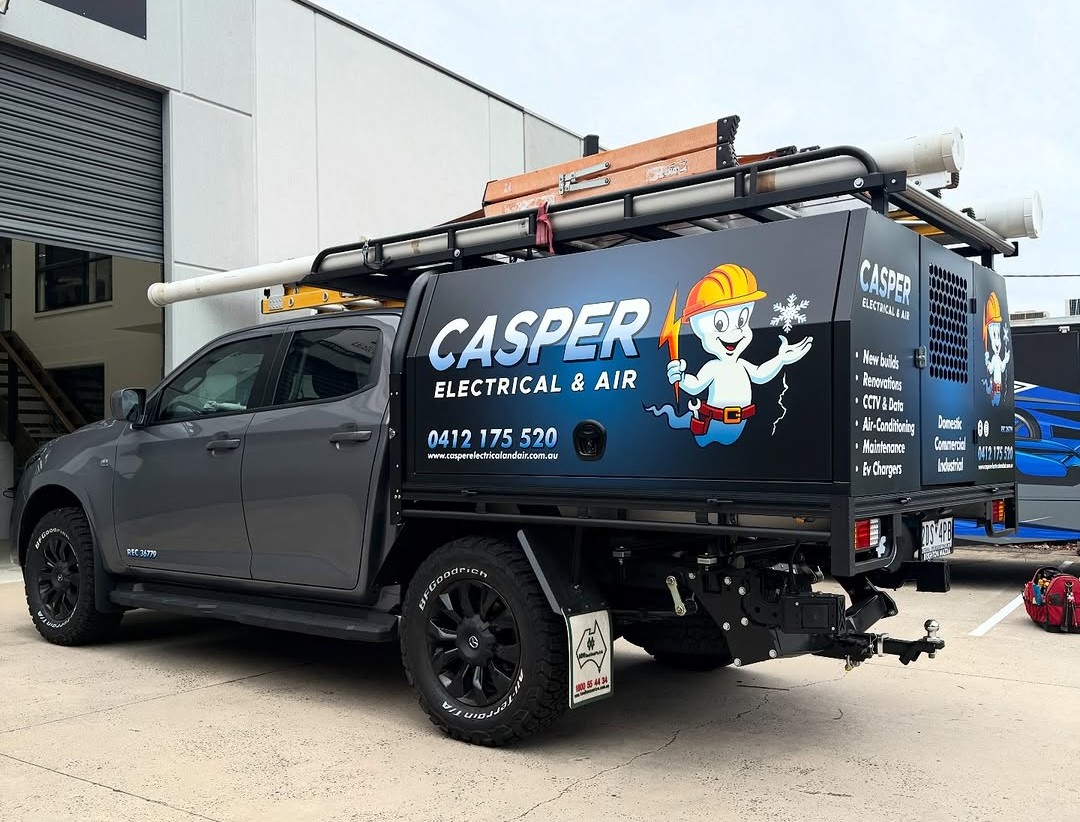
Casper Electrical & Air provides EV charging services across South East Melbourne, including areas such as Bentleigh, Cheltenham, Carnegie, Caulfield and surrounding suburbs. Its service includes switchboard assessment, installation of required circuits, charger mounting and wiring, with compliance documentation provided as part of the installation process.
The company also works across residential, commercial and industrial electrical projects, which can be useful when a property requires additional electrical work alongside its charging setup.
Is an EV Charger Worth Installing?
For many regular EV drivers, the convenience alone can make a dedicated charger attractive. Instead of relying on public charging stations or waiting longer with a standard outlet, you can plug the vehicle in at home and charge according to your routine.
The right choice still depends on how often you drive. If your vehicle covers only a small number of kilometres each day, a standard outlet might meet your needs. If you commute regularly, travel longer distances or want more predictable overnight charging, a dedicated system can offer a much more convenient solution.
The key is to choose equipment based on your actual requirements rather than simply buying the highest-powered charger available.
Planning Electric Vehicle Charger Installation in Melbourne
Good planning can make the installation process much easier. Start by checking your vehicle’s charging capability and thinking about your typical weekly driving. Then consider where the vehicle is normally parked and whether the proposed charger location has a practical route back to the switchboard.
From there, an electrician can assess the property’s electrical infrastructure and identify whether any upgrades are needed.
Casper Electrical & Air already provides dedicated EV charging services throughout South East Melbourne and can assess the existing electrical setup before recommending a suitable solution.
Get Your Home Ready for Smarter EV Charging
A home charger can turn EV ownership into a much more convenient part of everyday life. The important thing is to approach electric vehicle charger installation as an electrical project rather than simply purchasing a charging unit.
From checking the switchboard and selecting the right charging capacity to choosing a safe location and considering solar integration, the details matter. A proper assessment before installation can help ensure the finished setup is practical, safe and suited to the property.
If you are considering a home EV charger in South East Melbourne, contact Casper Electrical & Air to discuss your requirements and arrange a quote.